Search This Blog

3/22/2014

Seedlings, Season Starters

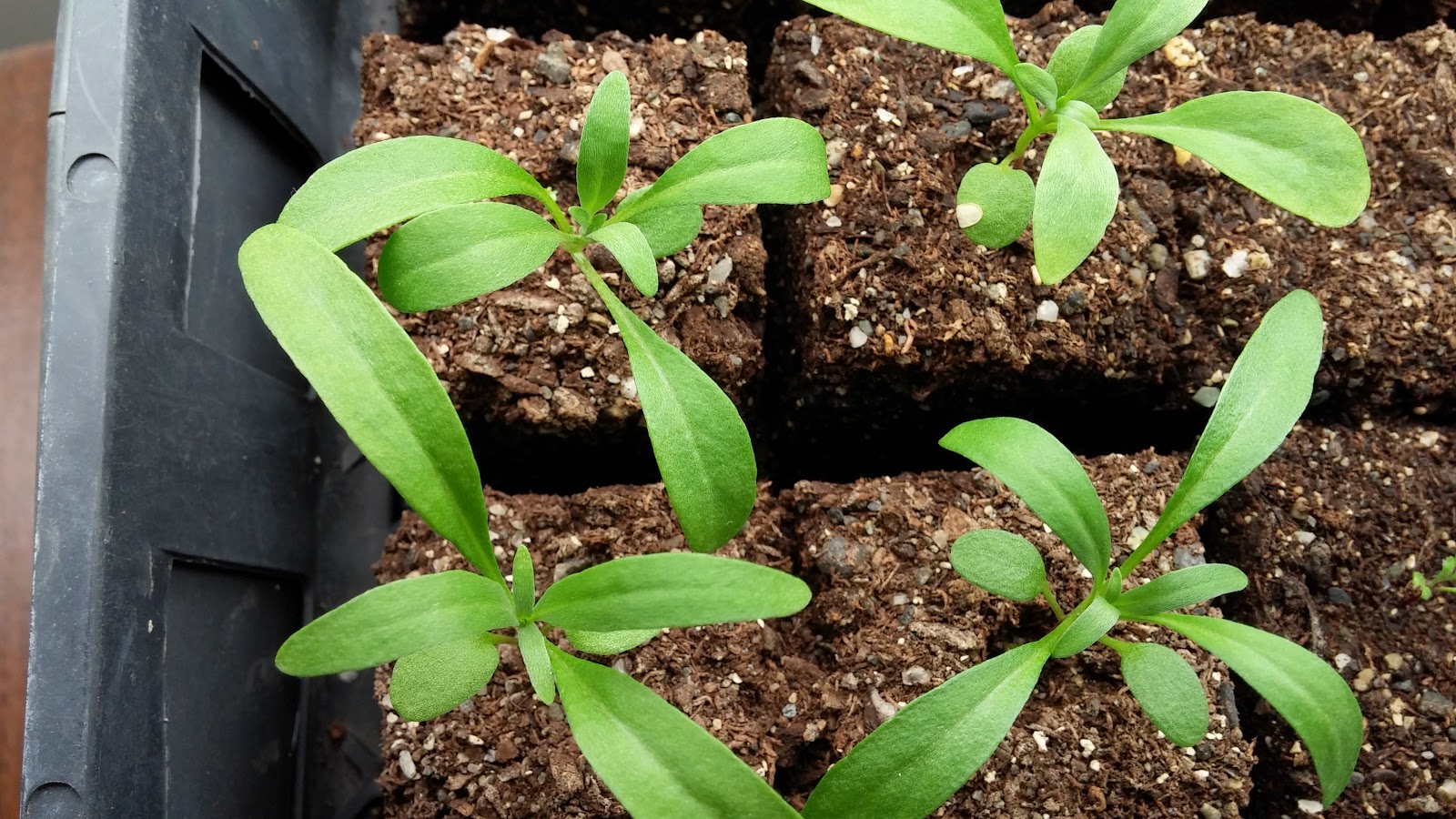
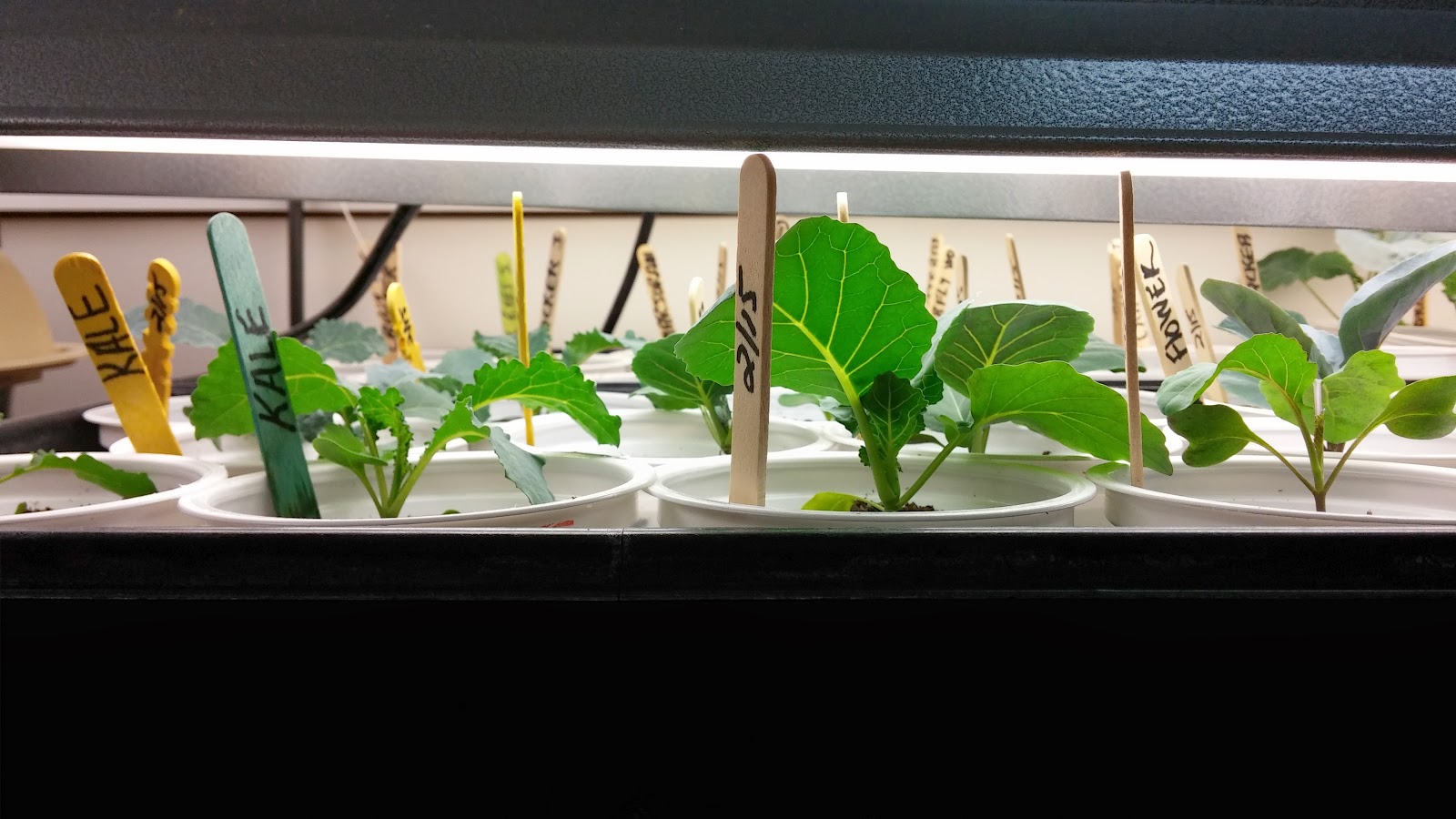
It's not possible to do much gardening outdoors yet, but recycled yogurt containers, a soil blocker, and florescent lights enable me, impatient as I am to get my hands in the dirt, to jump start the season.

Kale and collards seedlings are ready to be planted in the garden next week.
Other seedlings will spend time in the greenhouse to continue growing under protection.
Tomato and pepper seeds, sewn today, will be ready for transplanting after the last frost. 

Winter's snow and ice are still a foot high in some areas; temperatures continue to dip into the teens at night; and there's snow in the forecast. Seedling greenery serves up the first course of spring's delicacies.

2/24/2014

Making Sense of Food Labels


What do labels actually tell us about a food's production? 

It's valuable to know the subtle differences between common food labels, especially when some labels significantly influence prices. Labels may be backed by government oversight, signify inclusion in  independent verification programs, or simply represent marketing ploys.  Know what you're purchasing.

USDA Organic certification indicates: "The food...has been produced through methods that integrate cultural, biological, and mechanical practices that foster cycling of resources, promote ecological balance, and conserve biodiversity. Synthetic fertilizers, sewage sludge, irradiation, and genetic engineering may not be used."
(Try Farm Aid's organic knowledge quiz to tests your knowledge of the term "organic".)

USDA Free-range chickens are provided shelter in a building, room, or area with unlimited access to food, fresh water, and continuous access to the outdoors during their production cycle. The outdoor area may or may not be fenced and/or covered with netting-like material. There is no standard for free range beef, pork, or chicken eggs.
USDA Natural meat, poultry, and egg products must be minimally processed and contain no artificial ingredients. However, the natural label does not include any standards regarding farm practices and only applies to processing of meat and egg products. There are no standards or regulations for the labeling of natural food products if they do not contain meat or eggs.
USDA Cage-free poultry is able to freely roam a building, room, or enclosed area with unlimited access to food and fresh water during their production cycle.
USDA Grass-fed animals receive a majority of their nutrients from grass throughout their life, while organic animals’ pasture diet may be supplemented with grain. The grass-fed label does not limit the use of antibiotics, hormones, or pesticides. (The American Grassfed Association, "Certifies beef, bison, dairy, lamb and goat that is fed only on pasture, in addition to being raised without antibiotics, synthetic hormones, confinement and with standards for high animal welfare.")
Pasture-raised. The USDA has not developed a federal definition for pasture-raised products.
Humane. The USDA does not specifically verify humane treatment of animals. (The American Humane Certified program ensures, "Animals raised for dairy, poultry, beef, veal, goat, swine, turkey and bison products are raised in a humane manner.)
No added hormones indicates the cow was not injected with artificial growth hormones. Federal regulations do not permit hormones or steroids to be used in poultry, pork, or goat.  
Animal Welfare ApprovedAnimal Welfare Approved. A division of the Animal Welfare Institute certifies family farms when, "Animals are able to behave naturally and be in a state of physical and psychological well-being".

The Fair Trade label is not regulated by the US government, but when certified by Fair Trade USA, "Workers must receive decent wages, housing, health and safety guidelines, the right to join trade unions and child or forced labor is completely prohibited. Crops must also be grown, produced and processed in a manner that supports social, economic and environmental development."

Non GMO - Plants and animals that are not genetically engineered are verified by the non profit, Non GMO Project. Since the USDA does not require labeling, purchasing organic food or unprocessed conventionally grown food, is currently the best ways to avoid GMO.


Understanding the meaning behind food labels ensures that our purchases reflect our personal values.

2/13/2014

Good Clean Food

     If you're interested in learning how to navigate food purchases to avoid GMO, HrBGH, herbicides, and antibiotics--or to understand why you should--Good Clean Food by Samuel Epstein, MD, and Beth Leibson can help. The authors document health risks of foods: milk, meat, fruits, vegetables, and processed food. They encourage consumers to prevent cancer and other diseases by shopping carefully. They explain their concerns, give the history as to why changes in our food system have come about, and offer specific shopping suggestions. Stories about specific organization that offer healthy, sustain-ably produced food are highlighted at the end of each chapter. A nutritional chapter on detoxification includes therapies like vitamin-c drip, chelation, juicing, supplement, mediation, yoga, and acupuncture. The appendix lists companies the Cornucopia Institute, a nonprofit farm policy research group, endorses as ecologically sound producer of healthy food. If you're trying to locate healthy food, and avoid the grocery store minefield, this guide can help.

1/23/2014

Chemical Free Wall Paper Removal

Step 1. Remove switch plates and lighting fixtures.  
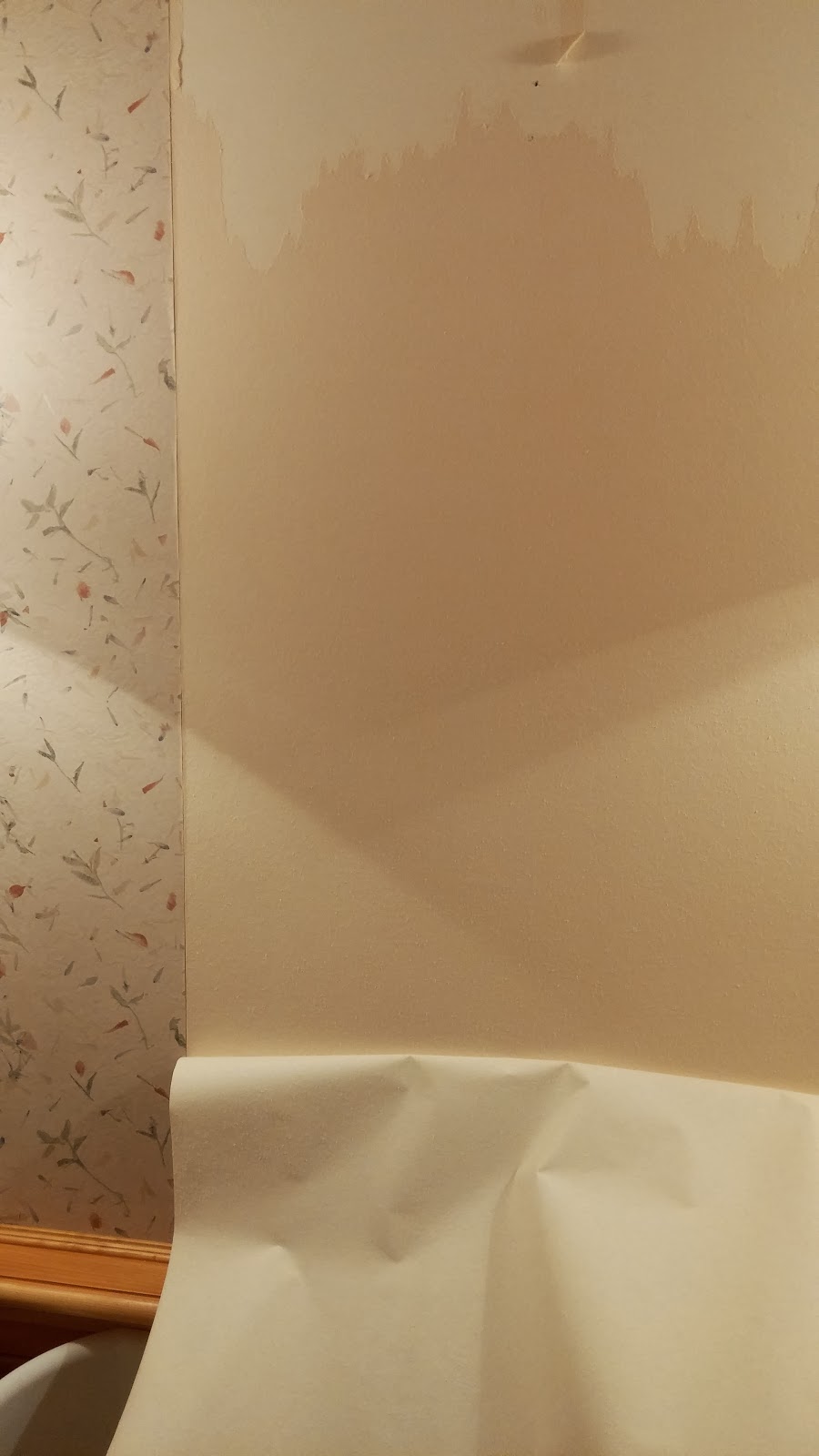
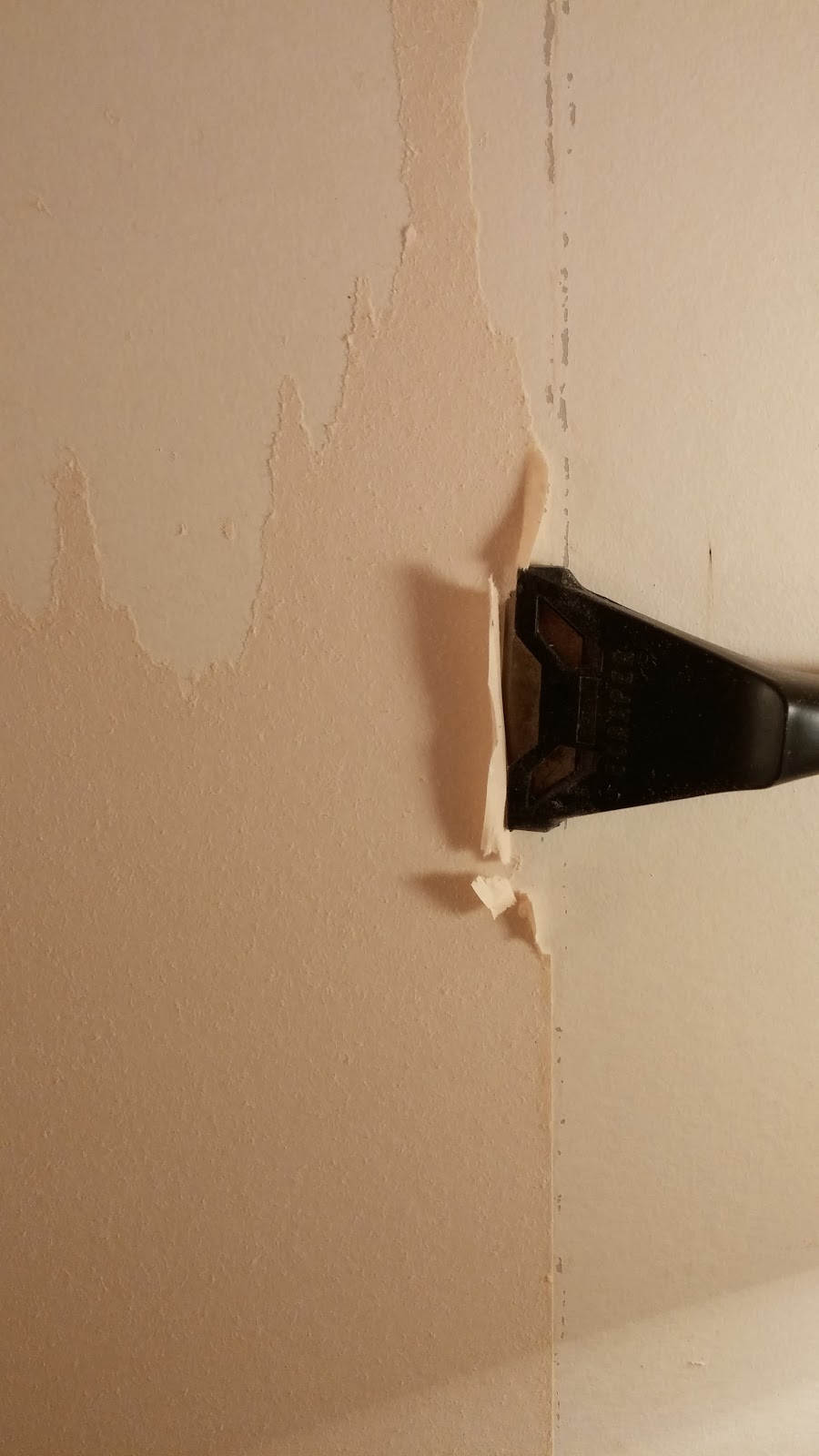
Pull off the outer layer of paper in large sheets.


 When it was time to remove the paper in a small bathroom, I dreaded the idea of spending time in the constrained space with a chemical stripper applied on the walls, so I researched alternative, non-toxic options. Although using vinegar rather than a stripping solution, takes some elbow grease, avoiding exposure to chemical fumes for hours while peeling paper, seemed a reasonable trade-off.   


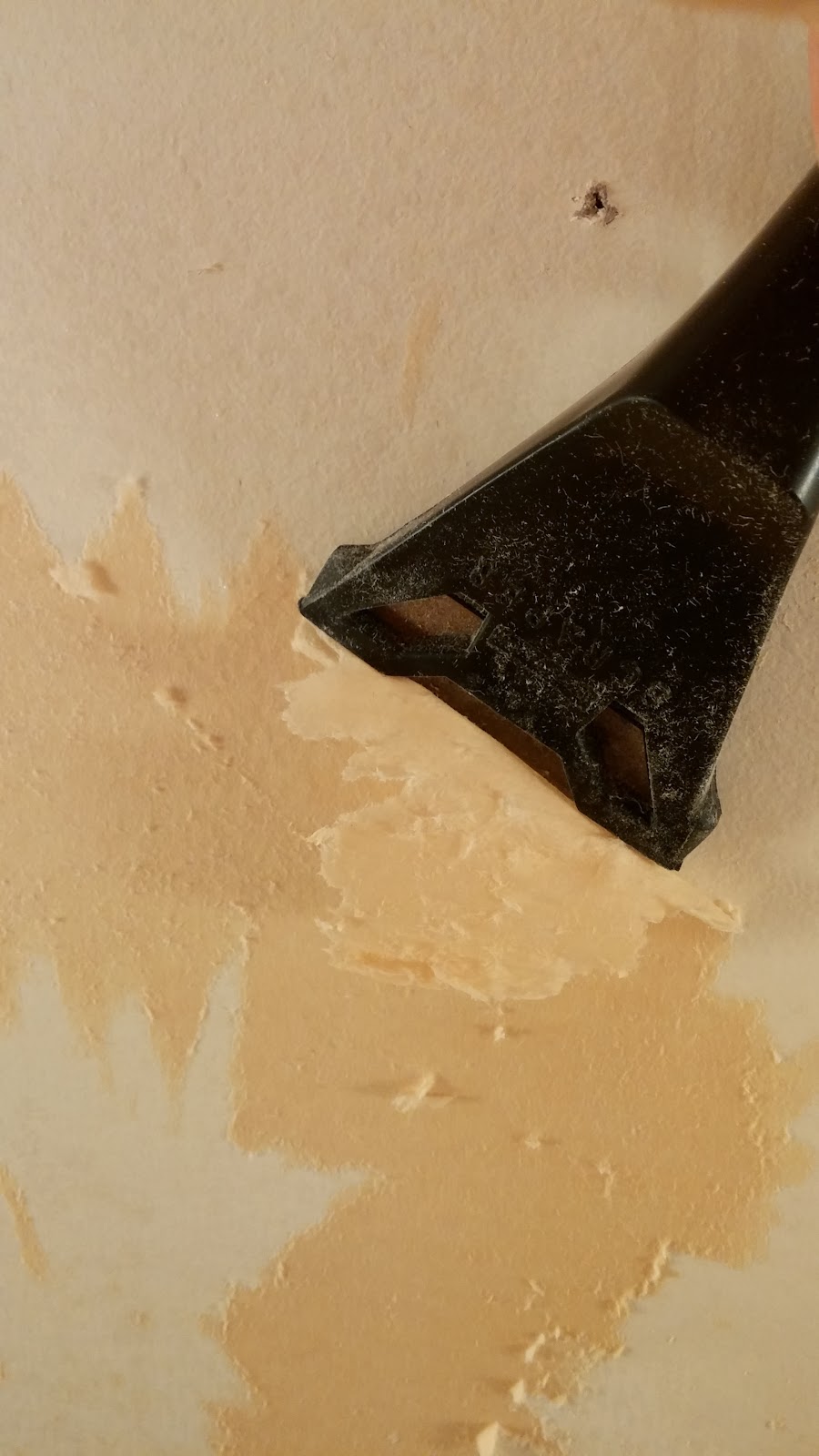
Step 2. Spray the next layer with a warm water and vinegar mix 
(ratio 4:1), and immediately scraped it off with a razor scraper. 
Step 3.  Respray sections that do not scrape easily, and continued scraping.
Step 4.  Remove the last remnants of glue with a rag dipped 
in a bucket of warm water to reveal the original smooth surface.
Step 5.  Touch-up scratched areas with taping compound if necessary, 
and re-paper, or avoid future paper removal, and paint.  
Replace switches and fixtures.

1/19/2014

Boiling Maple Syrup on a Converted Oil Drum

     Maple syrup season is soon approaching, so it's time to begin preparing for next month's running sap. I'm hoping to increase the amount of syrup I produce and decrease the amount of wood fuel I use this year. Since maple syrup is local, sustainable, and so delicious, it's quickly become my family's favorite sweetener. The amount of syrup I boiled down last year supplied us through October. Ideally, I'd love to produce enough to make it through the entire year.
     Last season, I burnt all the brush I collected from my property, much of our accumulated kindling, and even some of our fire wood.  This year, I decided to begin preparation early: in the fall, I collected brush from around the property and stacked it near the boiling area.  I also asked a friend in construction to direct scrap lumber my way, instead of disposing it in the construction dumpster. He's religiously dropped off weekly loads of scrap wood that I've cut to length and stacked in my woodshed. The piles are mounting as maple season closes in, so I'm hoping that I can avoid pulling heating wood from our stack, and use only wood that would otherwise be discarded.  
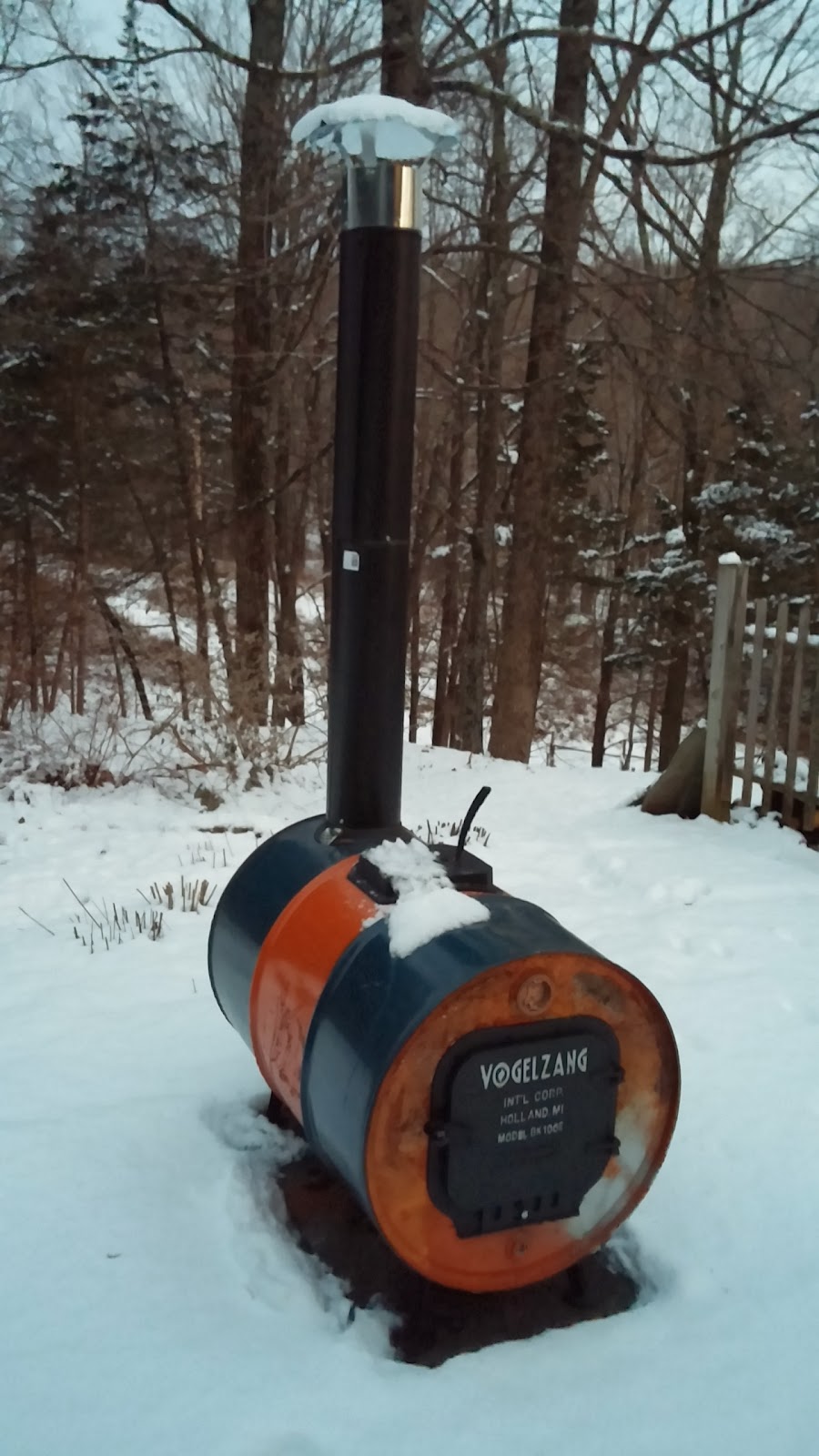
     We've convert a recycled oil drum into an outdoor wood stove with parts ordered from Northern Hydraulics, to burn wood more efficiently than last year's open pit.  
#16160 Barrell Stove Kit & #161609 Stove Damper Flu
from Northern Hydraulics
#172905 Hot Plate for Barrel Set with Lid
 from Northern Hydraulics
     I'm hopeful that the closed fire will allow me to boil down more syrup.  I'm also anticipating that by pulling the ash away from the pot through the stove pipe, less ash will need to be filtered out of the syrup.
     I'm watching the weather predictions; waiting for the days' temperatures to rise above freezing while the nights' temperatures return to below freezing, forcing the sap to flow, so I can try out my new stove.


10/14/2013

The Lawns Shrink as The Gardens Grow

Over time our lawn areas continue to shrink as our garden areas expand. Each fall, we pick an area of lawn that needs to be removed, since the garden can no longer contain the plants within its borders or mowing is a challenging. Our lawns are our least sustainable landscaping feature, because of all the fuel required to maintain them, so the less lawn area, the better.


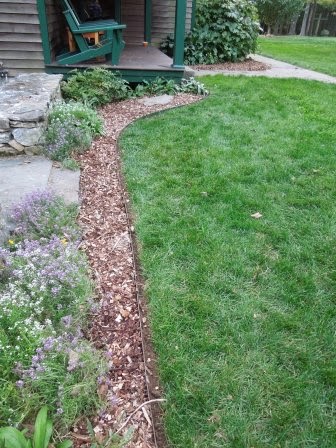
Last week we decided to enlarge the foundation border that wrapped around the side of the house, paralleled the front, and continued along a stone wall perpendicular to the opposite side. The plants were started almost 10 years ago. Since then they'd multiplied to a point they could no longer be contained in their original space. By adding a foot of garden along this 90’ border, almost 100 square feet of lawn area was eliminated, and the gardens were given growing room.  
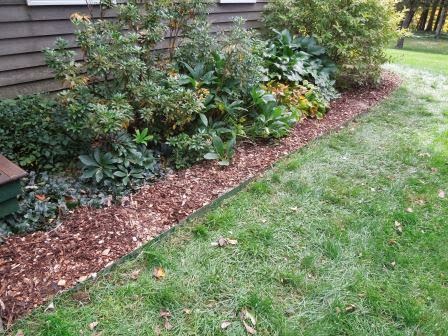
We first removed the metal edging material we'd installed years earlier. After using an edging tool to create our new boundary line, we dug down three inches with a hammer claw to create a rock-less groove to accept the metal strips. The three inch barrier will continue to block grass roots from entering the garden.  


Once the edging was in place, rather than remove the sod, we covered the grass with multiple layers of recycled paper and three inches of chips. By spring the grass will die out and the paper will begin to decompose below the chips. 


The tractor always struggled to make this tight curve.
The new curve is gentler.
When we cleared our wooded lot 15 years ago to build our house, the fastest and most economical way to landscape the property and avoid erosion was to plant lawns. We've spent the years since then removing the lawns, section-by-section, replacing them with gardens, trees, patios, and walkways. Eventually, the gardens will claim majority status, as the lawns become green pathways that connect and divide them.


9/24/2013

A Local, Sustainable, Apple a Day

Do you wish you could bite into the crunchy, sweet, juicy fruit daily to follow the “an apple a day” health tip, but worry about the amount of pesticides you’d be ingesting?  Apples often appear in lists of the dirty dozen because they rank high in pesticide residue.  It’s a quandary; they’re such a healthy food, laden with excess pesticides.  The answer, of course, is to find apples that are grown with less pesticides, so the negatives don’t outweigh the positives. A trip to Fishkill Farms one of these beautiful fall days, may be part of the solution.
Invigorated by the autumn morning chill, my friend and I walked along the well marked paths--distracted by the panoramic views of distant mountains--looking for the farm’s Macoun apple trees.  


The trees were overburdened with ripe fruit, and we eagerly unburden them.


The trees were lush with appealing fruit. All the apples on the farm are certified by Eco Apple because of the low-spray, environmentally-friendly techniques implemented.  The five acre "organic block" grows crops without using synthetic pesticides or fertilizers--a rare find locally.  


Our bags were quickly becoming too heavy to carry, so we journeyed back through the beautifully laid out orchard to the farm stand. After paying for our fifty pound haul, we headed home to share a portion of the harvest with our families, and preserve the bulk of it for the winter.  Over the next few weeks, some of the apples will be dehydrated, some canned as a sauce, and others cooked down into butter. We’ll be able to indulge in the pleasures of this delicious, local, sustainably grown fruit daily, all year long.