Search This Blog

2/09/2011

It's Time to Sign-up for CSA's

www.cascadefarmschool.org    

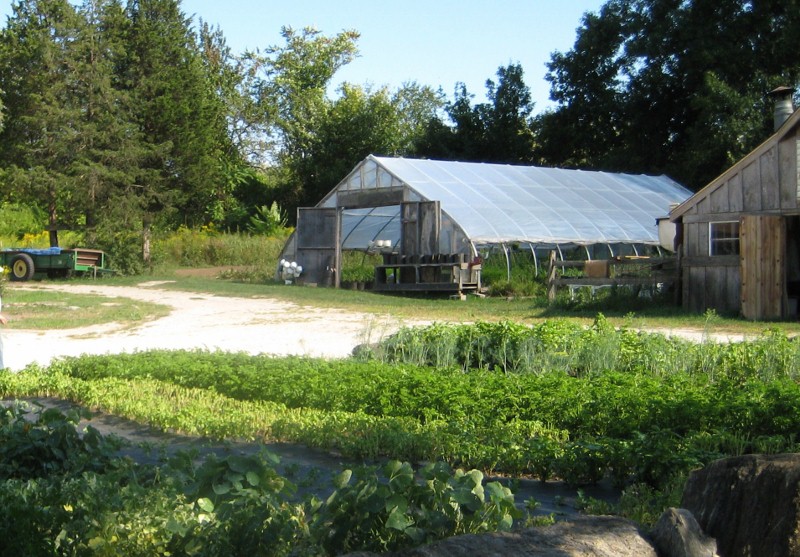
Cascade Farm, located on Harmony Road—less than a mile south of Pawling—is now accepting memberships to its 2011 CSA.  Signing up with a CSA means you make an agreement with the farmer.  You advance him/her money to plant and tend the year’s crop.  He/she then presents you with a “share” of the crop each week.  You both share the risks inherent in farming and the rewards of abundance.  Whenever I’ve joined a CSA, I’ve been pleased to be able to:
·        Support local farms
·        Buy local, sustainably grown produce
·        Be introduced to many new vegetables which vary my diet
·        Eat fresh, delicious, nutritious food
·        Expose my daughter to the “real food” system
·        Learn about growing produce without chemicals
·        Lessen my ecological footprint

2/07/2011

Dykeman's Sweet Corn in February

Its sweetness is one of summer’s anticipated pleasures.  In July, signs for Dykeman’s corn, like daylily blossoms, sprout along local roads—beckoning me to follow, which I do.  I use the corn to make quiche, fritters, soup, and rice; but often—I merely steam the corn and eat it off the cob, and relish the natural taste of the kernels.  Every week, I buy two dozen ears of corn: one dozen that I use to create all my favorite corn recipes, and another dozen to preserve for winter.   I cut the kernels off the cob to dehydrate or freeze.   By purchasing the extra corn I am able to support this local farm family that has been supplying us with delicious fresh corn for generations, and eat local food well beyond the summer season--rather than purchasing canned or frozen corn that has traveled across the world. 
Perhaps the greatest benefit to this “doubling up” during the season is that today, on a cold February night, I can eat the sweetest corn chowder (recipe page).  By simply re-hydrating (adding water to) the dehydrated corn kernels, all the flavor that was trapped in the jar on that warm July day, is released.  It helps me get through the last of winter, while I wait for those warm summer days. 

2/05/2011

Guilt-Free Chocolate


 Close your eyes and imagine the sweet, creamy taste of chocolate (perhaps infused with peppermint oil or chai essence) melting in your mouth. Now, imagine slowly savoring the chocolate without the nagging guilt of negative environmental and human impacts.   
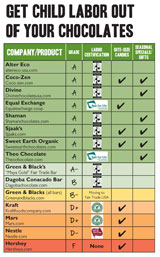
Valentine’s Day is upon us.  So yesterday, before heading out to purchase Valentine chocolate, I checked Green America’s score card at www.greenamerica.org. The score card identifies chocolate bar brands that are certified Fair Trade (ensures that farmers and artisans throughout the developing world receive a fair price for their products, have direct involvement in the marketplace, and uphold environmental and labor rights standards).  It rates brands from “A” to “F” based on different certification criteria, which is explained on the other side of the card.  
Imports of Fair Trade-certified cocoa into the U.S. more than doubled from 2006 to 2009*, which perhaps explains why some brands are readily available in Hannaford super market's health food section.  (It was, however, the only place in town I was able to locate any.)
The chocolates are not heart shaped, without cellophane wrapping, and cost a bit more, but knowing the money is buying us a better world, the taste is even sweeter.

*12/24/10  Wall Street Journal: "Selling Candy with a Conscience" by Leslie Josephs

2/04/2011

Retrofits - Sustaining Our Local Economy

As I sit by the window looking out at the icicles, like vicious fangs, hanging from the roof, I find it hard to believe that the temperatures outside are as low as the thermometer registers.  Even near this wall of glass (windows on the south side of the house for solar gain) the feeling of comfort prevails over the frigid outside air. 
As a family, we attempt one significant sustainability change to our lifestyle each year.  A few years ago, we decided to add another pane of glass to our double pane windows.  The manufacturer didn’t offer a third pane for our window, so we had a local glass company make them for us.  These additional panes have made quite a difference in the comfort of the house, and decreased our oil usage—and cost—each year. 
Last Saturday at Bedford’s Environmental Action Day, Greg Hale, from the Natural Resources Defense Council, spoke at length about how important it is that we put our efforts into energy efficiency.  He explained that for every dollar we spend on efficiency, we receive huge, local, benefits.   Each dollar paid to a local contractor to install energy efficient retrofits (building improvements) adds money into the local economy because of the money the contractor spends locally.  Those vendors then have money to spend.  As homeowners, we also spend less on fuel, saving money annually, which then brings even more money into the local economy.  This “domino effect” is exponential.
So as I sit, basking in the sun’s warmth which is now trapped indoors, rather than escaping through the window.  I appreciate the economic impact the windows have on my community: trapping our money, keeping it from escaping from our local economy.

2/02/2011

Lessons from Great-Grandma


     Yesterday I was ready to head to the pharmacy to replace my old thumb brace with a new one—because the Velcro strap that held it on stopped sticking—when I realized that only one small, but critical, section of Velcro was worn; the rest of the brace was fine.  I had some Velcro in my sewing basket, so I put the brace on my machine, stitched a ten inch rectangle, and my brace was as good as new.  It took me two minutes, and a small amount of thread, to double its life.  
michaelpollan.com/books/in-defense-of-food
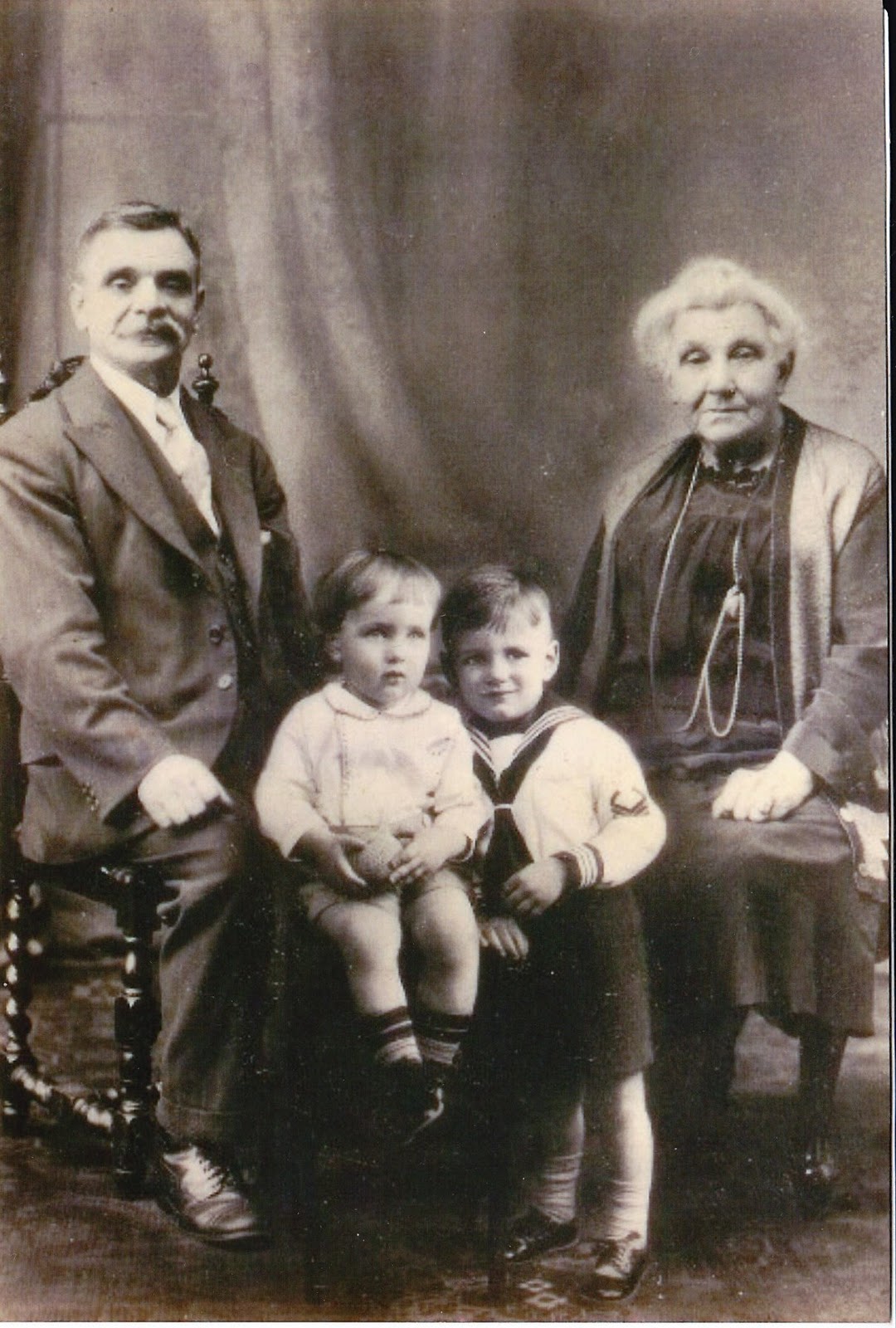
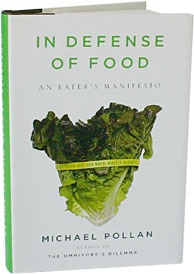
      As I was sewing on the Velcro, feeling thankful that I realized a small repair would return the brace to usable condition, I thought of the message in Michael Pollan’s book, In Defense of Food.  He suggested that we try to eat like our great-grandmothers did: local, seasonal, “real food” that is healthier for us and more sustainable for the planet.  

     There are many things we can learn from our great-grandmothers’ life styles. They: 
  • prepared “slow food” rather than fast food
  • hung their clothes to dry 
  • ate seasonal food
  • grew produce with organic fertilizers
  • preserved produce for the winter
  • reused whenever possible   
  • mended an item to extend its life (although Velcro wouldn’t have been widely available for almost a century) 

1/31/2011

Paper Products Update

www.marcalsmallsteps.com

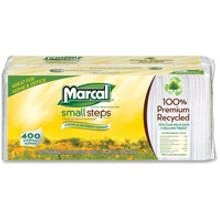
     While shopping in the paper goods aisle at the Hannaford Supermarket today, I had a pleasant surprise.  Recycled Marcal napkins have reclaimed their place on the shelf again.  My cashier said it was likely due to our comments, because they share customers' requests.  She also explained that they have special request forms--items requested are often stocked if enough people show an interest.   Since they currently carry recycled paper towels and toilet paper, it's time to start requesting facial tissues.
     (I also discovered that Patterson’s A & P presently carries recycled products in all four forms: napkins, toilet paper, tissues, and paper towels.)

1/30/2011

Catalog Choice


       Do you feel frustrated when you take mail out of the box, only to toss it immediately into the trash or recycling bin?  I use to spend hours writing letters to dozens of individual companies imploring them to stop sending catalogs full of items I had no interest in purchasing.  A few years ago I learned about a terrific company that does all the pleading for me, consequently, unwanted catalogs seldom occupy my mailbox.
www.paperonline.org
     When an undesired catalog does arrive, I sign in to http://www.catalogchoice.org; click on the company name; fill in my address information from the catalog; and click a button to request removal from the mailing list.  It only takes a minute, and I rarely see a catalog from that company again.  If I come across a company that does not take part in Catalog Choice’s program, I am linked directly to the company's site and given instructions on the removal process. 

     They even keep track of the positive impact my decisions have made on the environment.  Over the past few years I've been able to eliminate the delivery of catalogs from over fifty companies, saving: three trees, 919 pounds of greenhouse gas, 2212 pounds of solid waste, and 326 gallons of water.   So now when I reach into my relatively empty mailbox, I contemplate those numbers; envision the undisturbed wildlife; and contentedly read my small pile of mail.
www.paperonline.org